Research
Click below to download a copy of my CV.
No access? contact me for a copy.
-
In this work, which is spearheaded by Dr. M. Osburn and Dr. Y. Axford (also a collaboration with Northwestern undergraduate student Elise Neal), we quantify and interpret biogeochemical biomarker records from the oldest lake sediments recovered from Greenland. These sediments span across the entire Younger Dryas period, a period of particularly cold winters in South Greenland following the last interglacial. In the context of Younger Dryas climate reconstructions, we use sedimentary pigments to characterize primary productivity histories, leaf wax biomarkers to characterize organic matter sources and contributions, and isotopic reconstructions for hydroclimatic understanding of broader dynamics impacting this South Greenland lake.
-
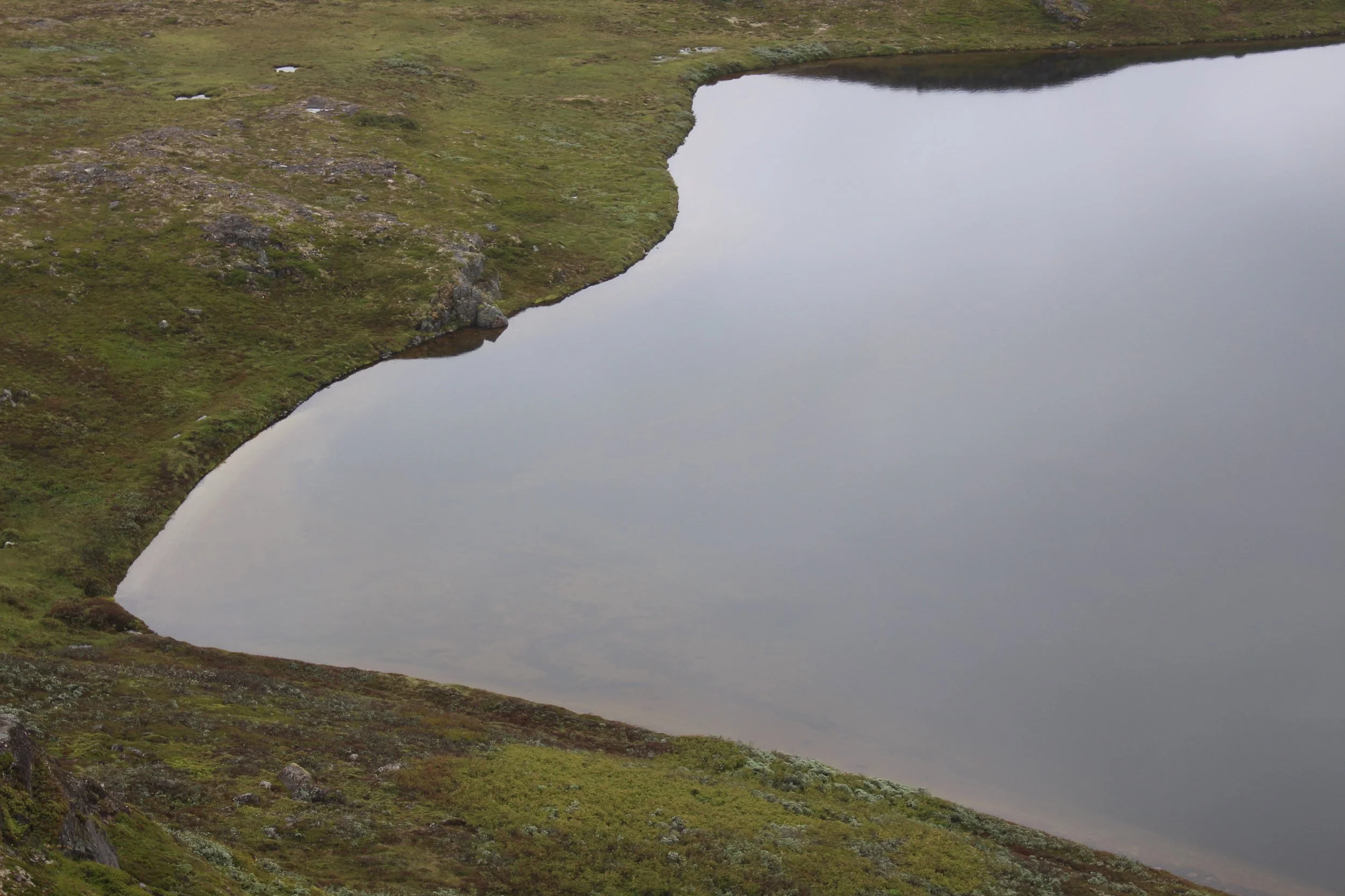
I examined lake sediment cores from informally-named lake Mel3, which is on an upland plateau near the town of Narsarsuaq, Greenland. I used organic geochemical proxies (Carbon and Nitrogen abundances and isotopes, inorganic materials (common metals such as Ti, Al, and Fe; biogenic silica) and molecular biomarker pigments within sediments to reconstruct the complex ecosystem responses to climate-influenced redox changes. Notably, I revealed a ~2,500 year period of mid-Holocene anoxia in the lake, and showed how this led to the dominance of cyanobacteria and die-off of otherwise abundant diatom algae and green algae. My work suggests that high temperatures can influence the oxygenation of lakes, and this in turn has severe consequences for aquatic primary producers, favoring cyanobacteria.
-
This work uses samples collected in ~20 lakes spanning a latitudinal transect from the towns of Inuvik to Tuktoyaktuk in the Canadian High Arctic. I measured pigments preserved in sediments and in filtered lakewater and compared those ecosystem changes to DNA analyses. Then, I linked these to water chemistry changes (e.g., pH, dissolved oxygen, major nutrients/cations, temperature, etc.) to provide a broad assay of water properties in the region and linkages between them. This region, which spans Gwich’in and Inuvialuit lands, is important hunting ground, where both people and animals rely on surface freshwaters like the ones I studied.
-
This work was supported by my Doctoral Dissertation Improvement Grant received from the National Science Foundation. I traveled to Narsaq, Greenland to forge community friendships and partnerships, with an emphasis on cultural immersion and understanding which environmental issues matter to the predominantly-Inuit population of Narsaq. With our team’s artist, we held a community art event using cyanotypes to tell stories of the land. We also collected sediment cores from a lake named by the community with the critical help of local fishermen and hunters, who provided us with field support and wildlife safety guidance. These sediment cores are now being dated and analyzed to characterize important shifts in the aquatic ecosystem of one lake over the last 6,000 years. We are using biogenic silica, stable isotopes of C and N, and sedimentary pigments to characterize these changes.
ONGOING PROJECTS
Our planet records its own dynamic history. Whether its tapping into Earth’s geologic archives or sequencing DNA from its tiniest organisms, collecting scientific samples has inspired me about how much we can learn from the environments that surround us.
Fieldwork
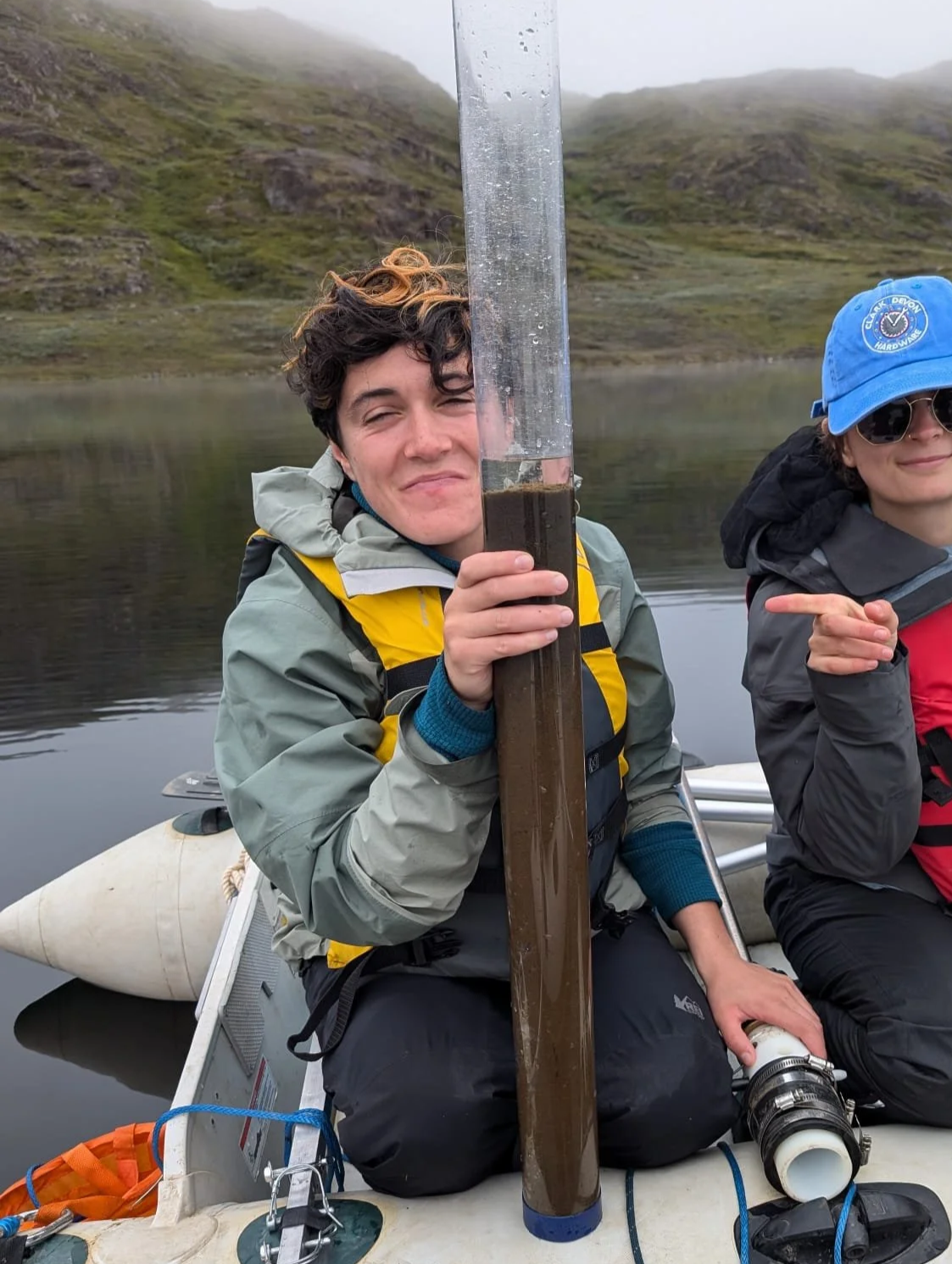
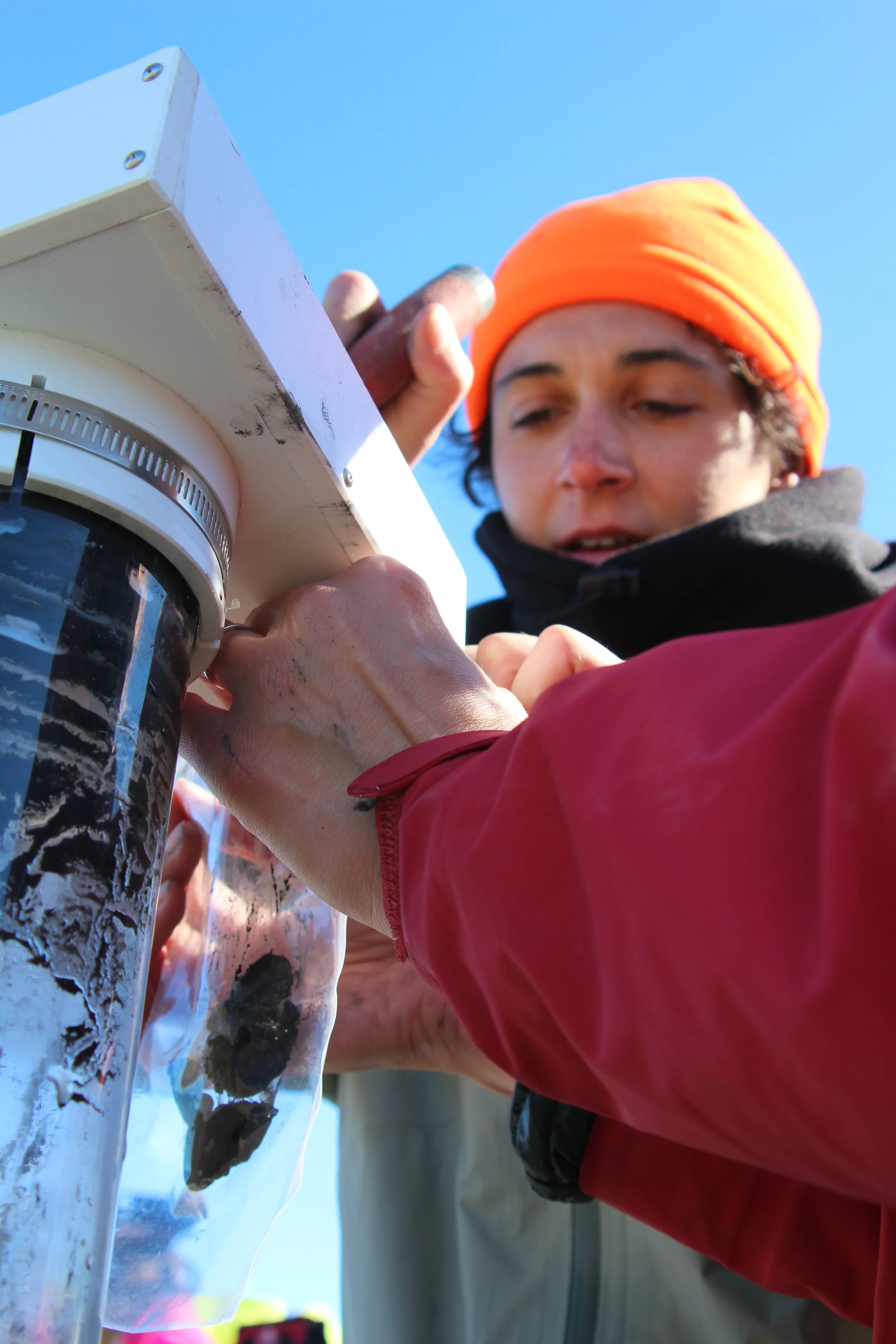
Sediment cores are tubes of mud we collect from the bottoms of lakes.
Over time, all the detrital material in and around lakes gets transported to lake sediments. Because of this, sediments are windows into the past.
Going down…
…Is like going back in time.
THIS IS A SEDIMENT CORE.
Collecting a sediment core
Imagine floating on top of a lake on an inflatable raft/air mattress, holding nearly 40 pounds of equipment and water-logged lake mud by a single rope, and pulling it up slowly and completely vertically so that the layers remain intact…

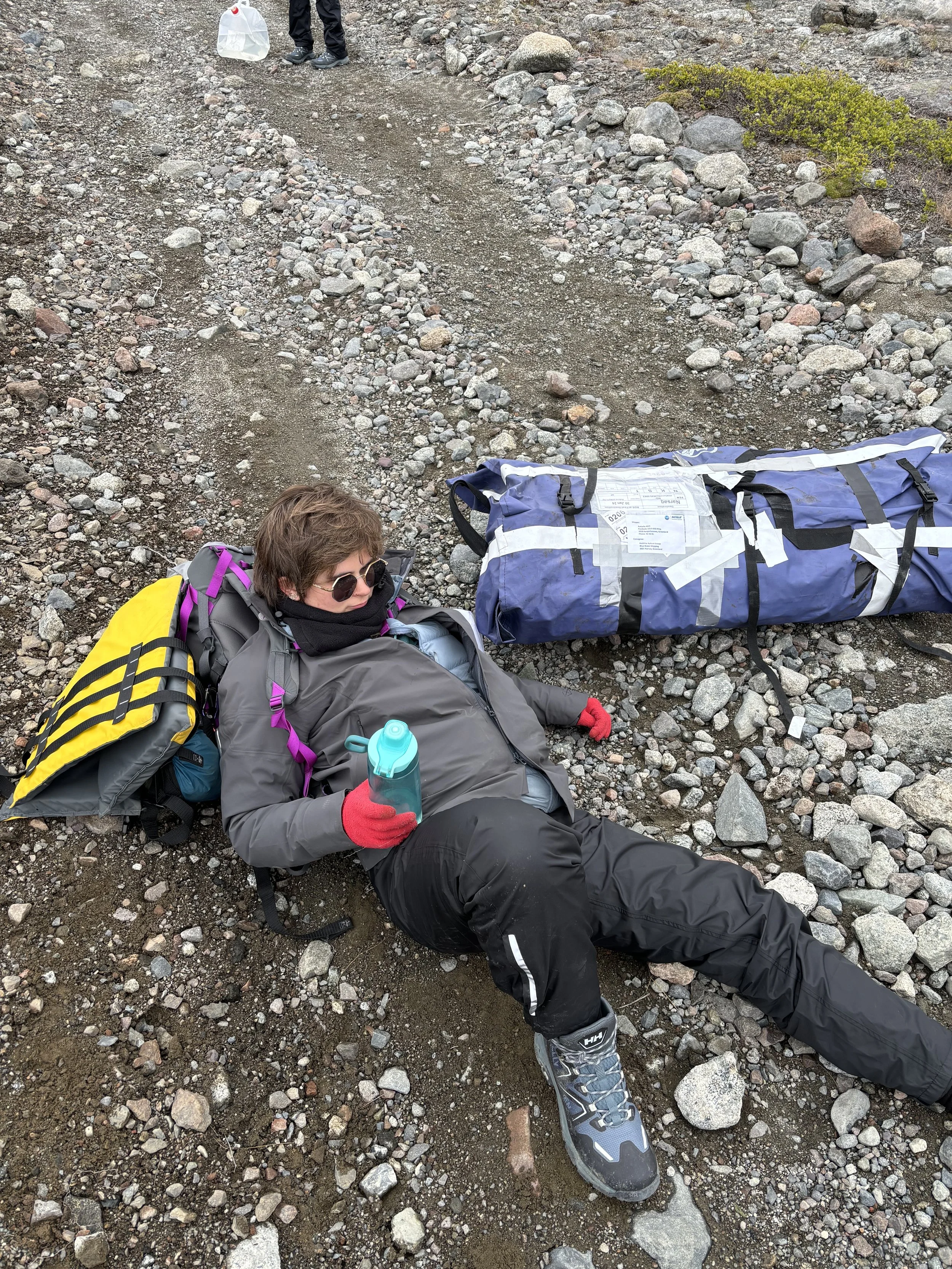
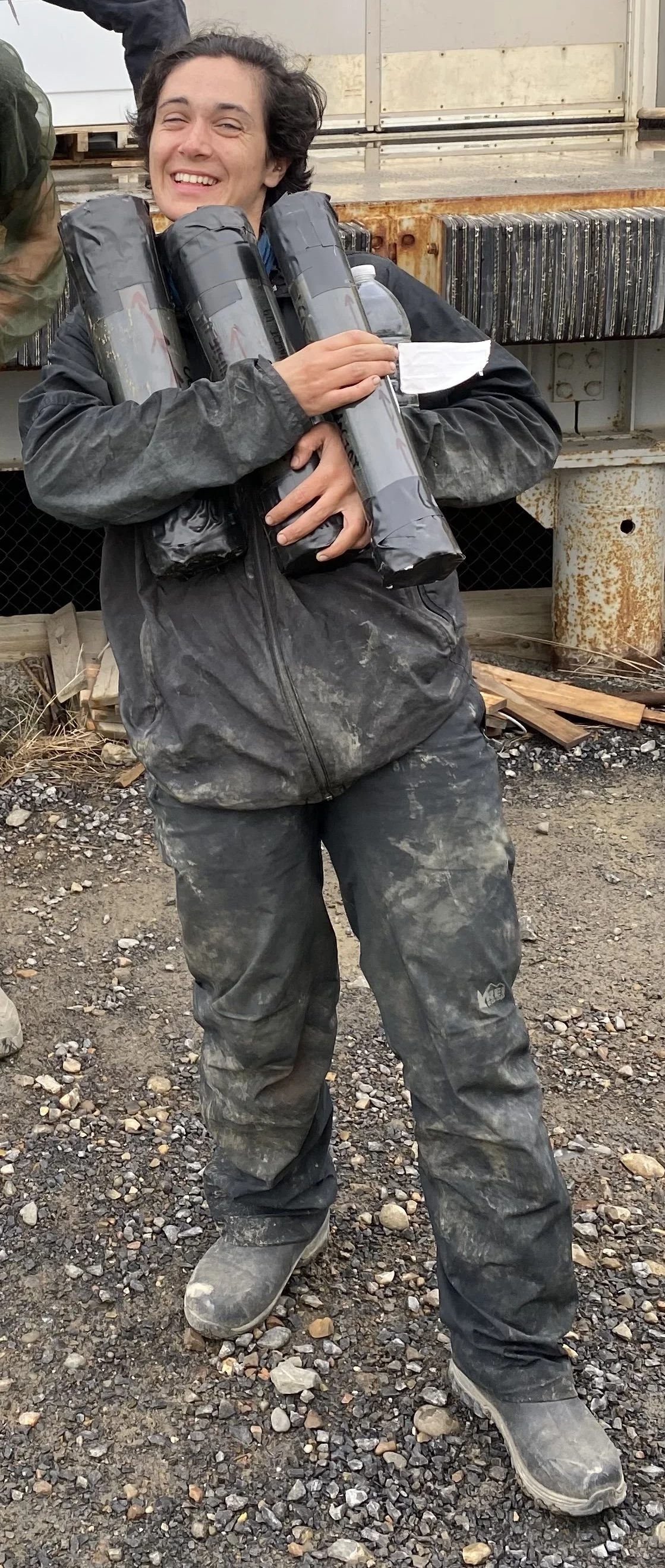
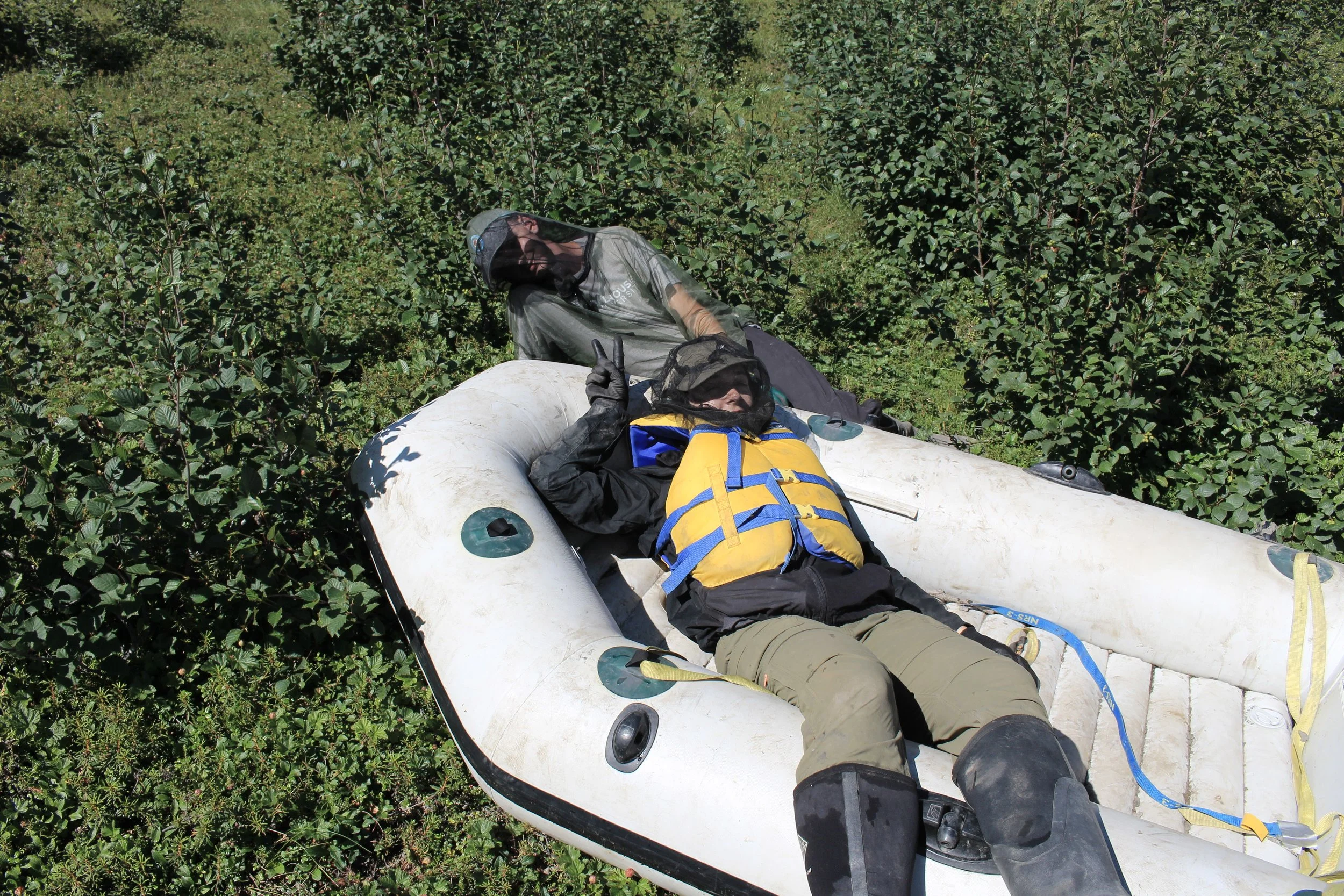
(You too would probably feel/look like this afterwards)